Thought I'd drop this in for anyone who might be looking for definitions. That and I needed a new blog post. I found many of these definitions helpful. The only downside is I have no way to get a hold of most of these wonderful types of paper. At least not the size that I would like to get them in. If anyone has a line on getting washi paper direct from the makers in Japan,(especially by the full sheet) let me know.Chronology
300 B.C. - Earliest evidence of a writing surface made from silk floss in China.100 B.C. - Paper was probably produced in China105 A.D. - Tsai Lun, a Han Dynasty official, is generally credited with inventing the first true paper. The basic papermaking methods he developed are still used today for many Japanese papers.300 A.D. - Paper made in cases in Central Asia.500 A.D. - Spread of paper making techniques to Korea by paper artisans.610 A.D. - A priest by the name of Ramjing travels to Japan, from Korea, to teach the art of making brushes, ink and paper.
Naming Structure
The names of Japanese paper generally refer to the fiber base utilized, papermaking technique, papermaking family, paper description, or the purpose for which the paper was originally used. A part of the name often includes a term denoting paper. These terms include kami, gami and shi.
Aizome
Literally, indigo (ai) dyed (zome). Traditional aizome came in shades of pale blue (asagi), light blue (hanadairu), and dark blue (kon). Today, aizome are still dyed with natural colorings but are not limited to shades of blue. Much of the aizome produced comes from the Tokushima, formerly known as Awa, area of Japan.
Aizomeshi
Literally, indigo (ai) dyed (zome) paper (shi).
Chirigami
Literally, rubbish (chiri) paper (gami). This is a decorative paper generally made of kozo fiber with added bits of dark outer bark. Chirigami is valued for its tone and texture. Other papers made with dark bark may include the term chiri in their name.
Chiyogami
Literally, thousand generations (chiyo) paper (gami). Chiyogami is a highly decorative stenciled or printed paper often used for craft purposes. This paper was originally printed using wooden blocks. Current methods also include silk screening. Traditional prints are often emblems of long life and happiness (cranes and tortoises) or auspicious symbols of good fortune (pine trees, flowering plum trees and bamboo). Chiyogami designs may also symbolize every day life, events and activities. Many of these traditional designs trace back to the Edo period (1603-1867).
Gampi
A type of fiber from a various related plants in the Daphne family. Due to the papermaking technique utilized, these plants are generally harvested between February and May when the water content is high. Gampi fiber is known for its fine texture and glossy sheen and produces a very strong, translucent lustrous paper.
Ginburi
Literally, silver (gin) speckled or random flecks (buri).
Hanshi
Literally, half-sized (han) sheet of paper (shi). Hanshi is known for its durable, thin and light (weight) qualities. Traditionally used for calligraphy writing and accounting activities. Every province of Japan has its own style of hanshi.
Hosho
This is a traditional high quality kozo paper that is named after its original use. Hoshogami (hosho paper) was originally used by government officials to document the oral commands of the Shogun. Hoshogami is often used for wood block printed-paper. The Echizen area in Fukui Prefecture has specialized in hosho paper since the 14th century.
Ichimatsu
These Papers are known for their square patterns and translucent qualities.
Irodorino
No literal translation is available but iro does mean color.
Kinzuri
Literally, gold (kin) ??? (zuri).
Kirigami
Literally, cut (kiri) paper (gami).
Komon
An emblem or symbol embroidered or applied onto apparel or clothing.
Kozo
General name of the fiber from various types of mulberry plants that is utilized to make paper. Kozo fiber is known for its strength, flexibility and length. Traditional kozo paper is naturally colored and made from 100% kozo fiber.
Kurafuto
Japanese pronunciation of the English word “craft”.
Kuretake
The name of a paper manufacturer based in Nara, Japan.
Momigami
Literally, wrinkled, crumpled (momi) paper (gami). This is a thick, high-quality kozo paper that is often treated with root of DevilÂ’s Tongue (konnyaku) before being wrinkled, rubbed and stretched. This paper is often used for Kamiko (paper clothing).
Origami
Literally, folding (ori) paper (gami). The art of paper folding was introduced from China in the 6th century. The first origami, a frog, is generally credited to a member of the Fujiwara family.
Rokoan
Rokoan style origami is a technique used to fold several connected paper cranes from one piece of paper. This style was originally created by a Buddhist priest, Rokoan Gido (1761-1834).
Shibori
Paper produced by Japanese tie-dying art. The art of tie-dying is also known as shibori.
Shikishi Board
Literally, ceremony (shiki) paper (shi) laminated onto a board. Usually the size of the board is 9 ½” x 10 ¾”. Types of paper most often used are Hosho, Gasen, and Torinoko.
Shoji-gami
Literally, partitions (shoji) paper (gami). Traditionally, this paper was used on the wooden framework of partitions, sliding screens, doors and other household elements. Shoji-gami is known for its translucent quality and the resulting soft glow when light shines through it.
Sumi InkSumi Ink Stick
Literally, ash or soot (sumi). Sumi Ink or Sumi Ink Stick is a carbon based permanent black ink that is used in calligraphy writing and painting.
Suzuri Stone
Literally, to rub (suzuri) stone. Suzuri stone is used to make sumi ink for calligraphy writing and painting. Water is placed into the well of the suzuri stone, the sumi ink stick is rubbed against the suzuri stone, and water is added to create various shades of black ink.
Torinoko
Literally, child of the bird or egg (torinoko). This is an ancient type of thin, strong paper known for its lustrous, eggshell like finish. Traditional uses include stationary and cards, art printing and semi-official documents. Unbleached torinoko is a pale yellowy brown color. Torinoko may be made from pure gampi fiber or a mixture of fibers. Echizen, a town in the Fukui region, is the primary producer.
Washi
Literally, Japan or ancient Japan (wa) paper (shi). This is a general term for Japanese hand made paper produced using traditional techniques. Washi is known for its strength and beauty. A more complete term is Tesuki Washi, which translates to handmade (Tesuki) Japanese paper.
Yuzen
This is a general name for stenciled, dyed paper, often with intricate designs, using kimono (yuzen) patterns. Most yuzen is now produced in the Kyoto area of Japan using screen-printing techniques.

 Partly because I love my friends and the work that they do. And partly because I have been too lazy to do any projects lately. Today I am promoting the Jumbo Shrimp Circus. Operated by the talented duo of Phil and Heidi Briggs. Located in sunny California USA. Give 'em a call when your next company shindig needs entertainment. Or if your youth organization needs an activity for the month. Or heck, if you just want a circus style show to show up at your house and give you an alternative to TV for the night (pricey, but it's a thought).



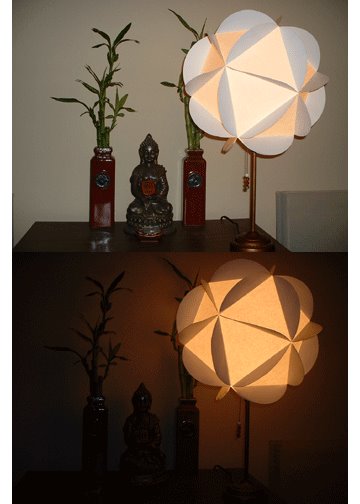
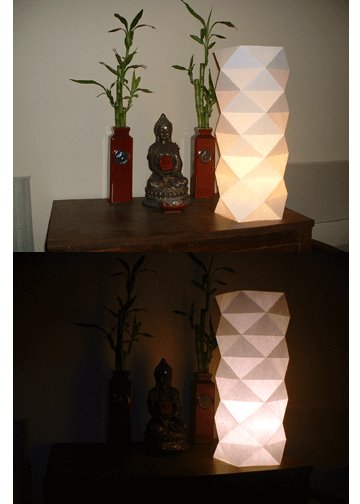 In another attempt to give my wife a reason to freak out over a paper lamp, I folded this beauty out of handmade Japanese masa rice paper. The folding for this I got in a rather round about way. I got the link from the wonderful Paper Forest blog. This link was to the Yasutomo paper site. A beautiful design by one of my origami heros, Tomoko Fuse. Give it a try, you'll be pleased with the results.



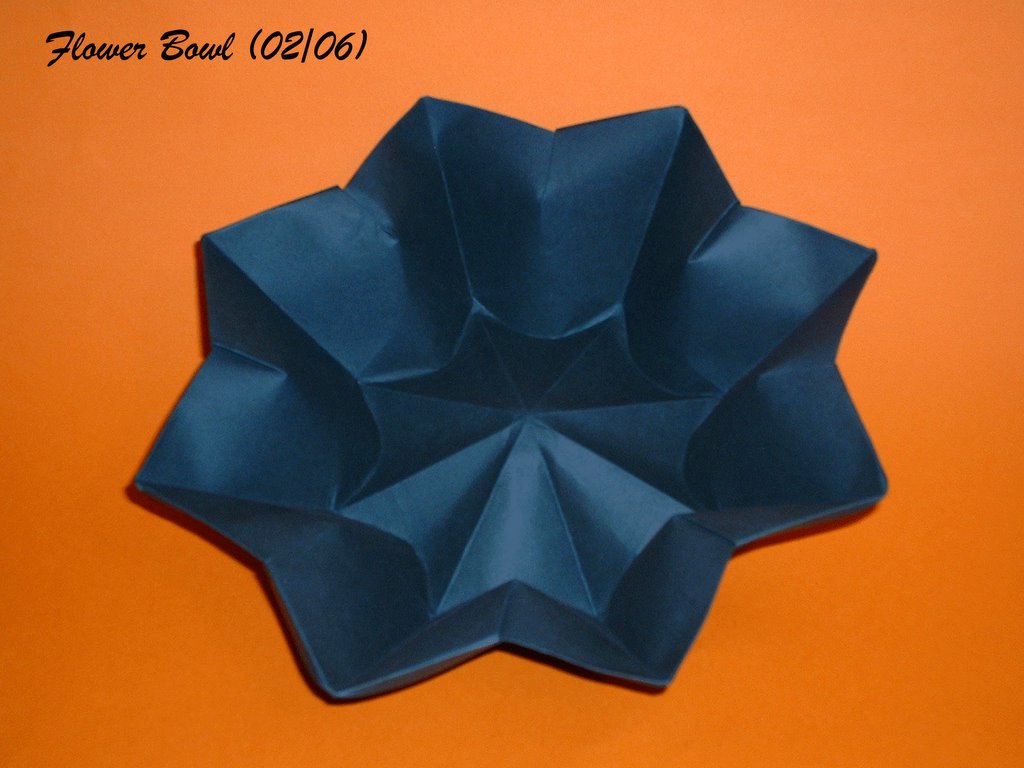 I found the diagram for this piece online. A clever design that uses an octagonal piece of paper. When folded from 12x12 cardstock, it makes a good sizes functional bowl.
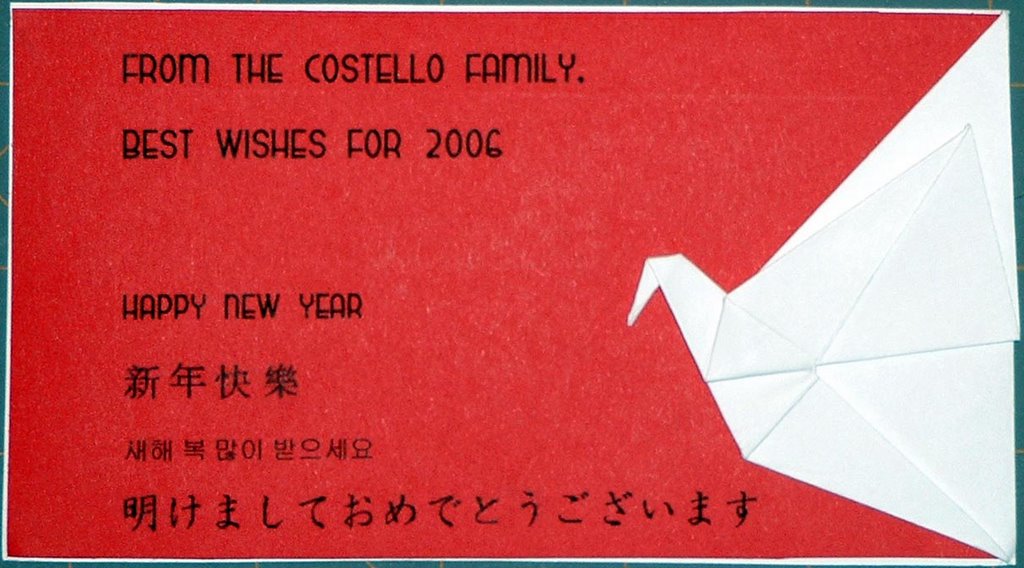 How is it that of the 25 hand-made New Years cards that I made, all were delivered except three? About a week after I mailed out these Dave crafted beauties, three of them arrived back at my house, the front of their custom envelopes besmirched with big stamps saying that they were undeliverable due to their small size. Now if the other twenty-two were the same size, why did they make it to their recipients? I smell incompetence. Well what do you expect for .39 cents.
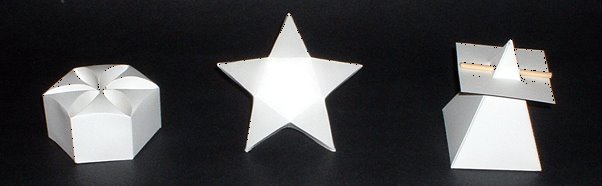
 I started working with models from Tomoko Fuse's book Fabulous Origami Boxes today. Ms. Fuse is one of my favorite origami artists. Talented and prolific, with a sense of form and style that shows in her pieces.I have ignored this book for several months now, having moved to other things. What a wonderful book. The modular nature or the models allows the folder to make a fairly large box. Even with really large paper, most single sheet containers are too small to really be useful.